Dizzy and Light Sensitive
Brought To You by Sleeman Optometry
We are a privately run optometry clinic at Chittaway Bay, on the Central Coast, dedicated to behavioural / neuro-optometry and vision therapy.
Chronic illness, physical trauma and aging can disrupt sensory processing stability. We assess visual impacts on this system.

Visual Processing Issues
The brain integrates information from several sensory systems at once. Vision, the vestibular (balance) system, proprioception (body position sense) and hearing normally operate automatically in the background, so we rarely have to think about them.
These systems continually adapt to changing conditions — light and dark, shifting focus from near to far, different levels of cognitive demand, and different types of movement. When they remain flexible and well coordinated, daily life feels comfortable and information is processed efficiently.
When the systems clash or lose synchrony, as can happen after brain injury, concussion or other neurological change, debilitating visual symptoms can appear.

Visual processing issues also called Binocular Vision Dysfunction or BVD may be relevant to the following conditions:
functional neurological disorder
migraines
vestibular migraines / headaches
vertigo
brain fog
visual snow
post-concussion
mast cell activation syndrome
sensory processing disorder
traumatic eye or brain injury
lyme disease
auto-immunity
chronic illness
post viral syndromes
post stroke
cranial nerve palsies
long covid
havana syndrome
ehlers danlos syndrome / hypermobility
chronic fatigue syndrome
fibromyalgia and neurodivergent / mental health related conditions
Dizzy and Light Sensitive
Brought To You By
Sleeman Optometry
We are a privately run optometry clinic at Chittaway Bay, on the Central Coast, dedicated to behavioural / neuro-optometry and vision therapy.
Chronic illness, physical trauma and aging can disrupt sensory processing stability. We assess visual impacts on this system
Visual Processing Issues
The brain integrates information from several sensory systems at once. Vision, the vestibular (balance) system, proprioception (body position sense) and hearing normally operate automatically in the background, so we rarely have to think about them.
These systems continually adapt to changing conditions — light and dark, shifting focus from near to far, different levels of cognitive demand, and different types of movement. When they remain flexible and well coordinated, daily life feels comfortable and information is processed efficiently.
When the systems clash or lose synchrony, as can happen after brain injury, concussion or other neurological change, debilitating visual symptoms can appear.
Visual processing issues also called Binocular Vision Dysfunction or BVD may be relevant to the following conditions:
- functional neurological disorder
- migraines
- vestibular migraines / headaches
- vertigo
- brain fog
- visual snow
- post-concussion
- mast cell activation syndrome
- sensory processing disorder
- traumatic eye or brain injury
- lyme disease
- auto-immunity
- chronic illness
- post viral syndromes
- post stroke
- cranial nerve palsies
- long covid
- havana syndrome
- ehlers danlos syndrome / hypermobility
- chronic fatigue syndrome
- fibromyalgia and neurodivergent / mental health related conditions

Do these visual symptoms sound familiar?

Reading issues – not retaining information
Eyes don’t feel coordinated
Motion and/or pattern sensitivity
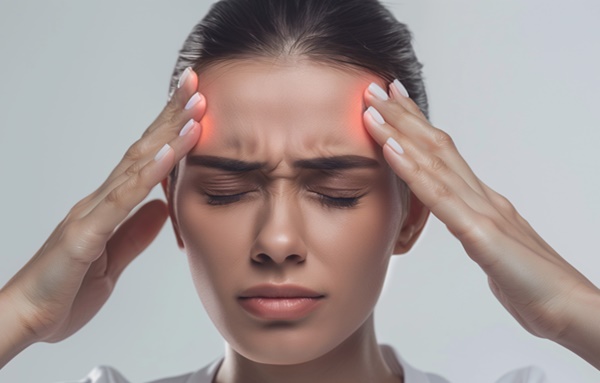
Headaches and eye discomfort
Difficulties in busy environments like shopping centres
Reduced spatial awareness while walking
Brain fog and anxiety while focussing
Eyestrain and computer fatigue
Neck aches and computer work
Sensory overload
Contact us today to discuss your symptoms.